It’s back to school time again, so I thought I might share one of the frequently asked questions I get in many of my workshops. The question usually goes something like this:
My incoming students don’t know about PBL or working in that type of environment. They come to me with poor work habits and they’re certainly not self-directed learners. How do we get them to understand how this environment works? Surely you don’t just throw them into a big project? Surely you teach them some basic skills first. How should we start?
Love it! This is one of my favorite questions to answer. There are several facets to the question, with the two main components being skills development and first-days projects. I’ll try to address both.
Incidentally, this advice can be utilized at any time during the school year. Say you’re starting to move toward PBL in October or February? No problem. Many of the same suggestions can still apply at those times as well.
PBL Skills Development
The truth is most of our kids come to us not necessarily knowing how to be good learners. And the older they are, the more likely it is they’ll come to us with a good deal of “institutional damage,” meaning they’re really good at sliding by, not caring, or simply perfecting strategic compliance. So how do we get them to develop the skills of an active, engaged learner as soon as possible? While each class and each group is different, the answer is usually the same: they learn these skills by using them in a context that’s meaningful to them.
I want them to have to develop those vital skills because they want to. Because they see a need to. Because they recognize that their lack of those skills are currently holding them back from building what they want to build and from what they want to be.
So that being said, let’s move into…
First-Days-Of-School activities and other beginner projects
I’ve dropped these activities here in a sort of order that I might use them, but you are absolutely welcome to change them up, skip some, and even add your own. I’m very interested in how your mileage varies on this, so please do drop me a line.
Creating Class Norms/Rules, Branding, etc
There’s a good deal of time kids need to spend unlearning bad habits and learning how the community operates. Likewise, this is a great time for teachers to get to learn their kids. Therefore, I believe the first few days ought to be spent not on heavy content (gasp!), but instead on fun ways to create our community.
Who do we want to be? How do we want others to interact with us? How do we as a class and as individuals want to be thought about? talked about? When we connect with people outside of this school, what impression do we want to leave them with? Do we need a logo? A mascot? A song? A mission? A creed? Really? Do we need these? Maybe.
Are the kids ready to be those people they’re envisioning? Of course not. It’s a series of goals. Something to shoot for. So now, dear teacher, how are you going to use their goals as anchoring lessons throughout the year?
Creating Class Spaces
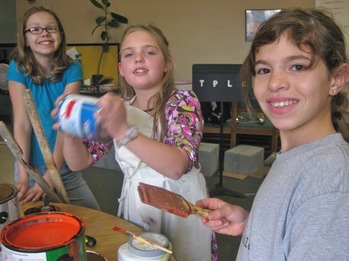
We might ask kids to create some of their own learning spaces. Are you someone who creates a beautiful space before the kids arrive? How do they get to see themselves in that space? All they see is you and your vision. Where will they ever see themselves in your space? When will they get a chance to make their own decisions?
Perhaps we might intentionally leave some of the classroom space undefined, undesigned, and let the kids decide what they’d like to have there. How will they decide this? Brainstorming, communicating, deciding what they need vs what they want? And you’ll be spending a good deal of time guiding, but not leading, these discussions. You help kids ensure that all voices are heard. Will some talk over classmates? Good! You now have a teachable moment! I wrote about creating teachable moments here, if you’re interested in reading more about designing and capitalizing on those situations. Creating class spaces at the first few days of the year is not laziness. It’s an intentional activity that allows kids to learn how to think about and share their opinions — and that those opinions matter. And most of all, that we do things differently in this space. So get ready for what’s to come! ;)
Dispel the Myth!
I love this project because it’s a lead in to the community and wider global connections that students will be engaging in later in the school year. Students consider their own local community and what they think people think of it; not only locals, but those farther away. If you have younger kids and they have no idea what others stereotypically think of who they might be based on where they live, you might consider doing some Mystery Skypes. Or have them poll older students/people to get their points of view.
So what are those myths that people think of? Who are these people? Are they in our own community? Are they on the other side of the country? the globe? Why might they think these things? How do we collect accurate information and package it to help people know who we really are? Help the students find their own answers to these questions and develop how to tackle the completion process, including developing a flexible working timeline. Help them figure out how to know if the final products are actually convincing enough to create a broader awareness.
This beginning project helps kids to see themselves through others’ eyes, a skill that most people under age 25 are really bad at unless they’ve had practice thinking outside of themselves. And they can work in groups to tackle separate myths. And you can include the wider community as much as you want — and by you, I mean your students, with your guidance, of course. They’ll be learning how to talk to people and ask questions, all while building confidence in how to talk to adults as near-equals. Timelines, task management, and group work are all introduced, especially if we have a hard deadline with a broader audience. This project might take as few as 3-4 total hours. Or it could take an entire year. But as a beginner project, I’d err more toward 3-4 hours of work for a quick in/out project so they don’t get topic or group fatigue.
Find ways to “accidentally on purpose” create wins for them in these first few days because the process of unlearning bad habits is tough enough.
PSA’s: Public Service Announcements
This is another quick in/out type of project that introduces some of the skills kids will need to use all throughout the rest of the class their lives. It doesn’t really matter what the PSA is about, as long as the kids care deeply about it:
And again, this is at maximum, a 5 hour project. Of course it can be a year-long project, but with PBL beginners, we shoot for quick in/out experiences for sure-wins.
A sum-up
At the risk of writing too-long of a post, I’ll close it with these thoughts. I don’t like to pre-teach anything because kids simply don’t know (trust?) they need the info until they have a need to know it. My job is to intentionally create the need to know…then, if the project challenge, question, or problem is tasty enough, they’ll lap those lessons right up and put them immediately into play. And that’s a win every day.
Will kids truly remember the lessons forever? Will they simply experience the desired skills and be automagically transformed into lifelong learners for always? No. Not all kids. Not all lessons. Remember it takes time to break bad habits, and some kids have had years of practice developing bad habits.
So what skills do they being to learn in these first-days projects?
Help her find it. Help her see it. Help her construct it.
And we’ll all be better for it.
My incoming students don’t know about PBL or working in that type of environment. They come to me with poor work habits and they’re certainly not self-directed learners. How do we get them to understand how this environment works? Surely you don’t just throw them into a big project? Surely you teach them some basic skills first. How should we start?
Love it! This is one of my favorite questions to answer. There are several facets to the question, with the two main components being skills development and first-days projects. I’ll try to address both.
Incidentally, this advice can be utilized at any time during the school year. Say you’re starting to move toward PBL in October or February? No problem. Many of the same suggestions can still apply at those times as well.
PBL Skills Development
The truth is most of our kids come to us not necessarily knowing how to be good learners. And the older they are, the more likely it is they’ll come to us with a good deal of “institutional damage,” meaning they’re really good at sliding by, not caring, or simply perfecting strategic compliance. So how do we get them to develop the skills of an active, engaged learner as soon as possible? While each class and each group is different, the answer is usually the same: they learn these skills by using them in a context that’s meaningful to them.
- Do I pre-teach them how to work in groups? Nope.
- Do I pre-teach them how to research? Nope.
- Do I pre-teach them how to communicate their needs with clarity? Nope.
- Do I pre-teach them organizational skills? Nope.
- Do I pre-teach them the tech tools they’ll be using? Nope.
- Do I pre-teach them …? Nope.
I want them to have to develop those vital skills because they want to. Because they see a need to. Because they recognize that their lack of those skills are currently holding them back from building what they want to build and from what they want to be.
So that being said, let’s move into…
First-Days-Of-School activities and other beginner projects
I’ve dropped these activities here in a sort of order that I might use them, but you are absolutely welcome to change them up, skip some, and even add your own. I’m very interested in how your mileage varies on this, so please do drop me a line.
Creating Class Norms/Rules, Branding, etc
There’s a good deal of time kids need to spend unlearning bad habits and learning how the community operates. Likewise, this is a great time for teachers to get to learn their kids. Therefore, I believe the first few days ought to be spent not on heavy content (gasp!), but instead on fun ways to create our community.
Who do we want to be? How do we want others to interact with us? How do we as a class and as individuals want to be thought about? talked about? When we connect with people outside of this school, what impression do we want to leave them with? Do we need a logo? A mascot? A song? A mission? A creed? Really? Do we need these? Maybe.
Are the kids ready to be those people they’re envisioning? Of course not. It’s a series of goals. Something to shoot for. So now, dear teacher, how are you going to use their goals as anchoring lessons throughout the year?
Creating Class Spaces
We might ask kids to create some of their own learning spaces. Are you someone who creates a beautiful space before the kids arrive? How do they get to see themselves in that space? All they see is you and your vision. Where will they ever see themselves in your space? When will they get a chance to make their own decisions?
Perhaps we might intentionally leave some of the classroom space undefined, undesigned, and let the kids decide what they’d like to have there. How will they decide this? Brainstorming, communicating, deciding what they need vs what they want? And you’ll be spending a good deal of time guiding, but not leading, these discussions. You help kids ensure that all voices are heard. Will some talk over classmates? Good! You now have a teachable moment! I wrote about creating teachable moments here, if you’re interested in reading more about designing and capitalizing on those situations. Creating class spaces at the first few days of the year is not laziness. It’s an intentional activity that allows kids to learn how to think about and share their opinions — and that those opinions matter. And most of all, that we do things differently in this space. So get ready for what’s to come! ;)
Dispel the Myth!
I love this project because it’s a lead in to the community and wider global connections that students will be engaging in later in the school year. Students consider their own local community and what they think people think of it; not only locals, but those farther away. If you have younger kids and they have no idea what others stereotypically think of who they might be based on where they live, you might consider doing some Mystery Skypes. Or have them poll older students/people to get their points of view.
So what are those myths that people think of? Who are these people? Are they in our own community? Are they on the other side of the country? the globe? Why might they think these things? How do we collect accurate information and package it to help people know who we really are? Help the students find their own answers to these questions and develop how to tackle the completion process, including developing a flexible working timeline. Help them figure out how to know if the final products are actually convincing enough to create a broader awareness.
This beginning project helps kids to see themselves through others’ eyes, a skill that most people under age 25 are really bad at unless they’ve had practice thinking outside of themselves. And they can work in groups to tackle separate myths. And you can include the wider community as much as you want — and by you, I mean your students, with your guidance, of course. They’ll be learning how to talk to people and ask questions, all while building confidence in how to talk to adults as near-equals. Timelines, task management, and group work are all introduced, especially if we have a hard deadline with a broader audience. This project might take as few as 3-4 total hours. Or it could take an entire year. But as a beginner project, I’d err more toward 3-4 hours of work for a quick in/out project so they don’t get topic or group fatigue.
Find ways to “accidentally on purpose” create wins for them in these first few days because the process of unlearning bad habits is tough enough.
PSA’s: Public Service Announcements
This is another quick in/out type of project that introduces some of the skills kids will need to use all throughout the rest of the class their lives. It doesn’t really matter what the PSA is about, as long as the kids care deeply about it:
- healthy lunches
- bullying
- hallway or playground safety issues
- gender issues
- pretty much anything is fair game as long as the kid cares about the topic and it’s not breaking rules.
And again, this is at maximum, a 5 hour project. Of course it can be a year-long project, but with PBL beginners, we shoot for quick in/out experiences for sure-wins.
A sum-up
At the risk of writing too-long of a post, I’ll close it with these thoughts. I don’t like to pre-teach anything because kids simply don’t know (trust?) they need the info until they have a need to know it. My job is to intentionally create the need to know…then, if the project challenge, question, or problem is tasty enough, they’ll lap those lessons right up and put them immediately into play. And that’s a win every day.
Will kids truly remember the lessons forever? Will they simply experience the desired skills and be automagically transformed into lifelong learners for always? No. Not all kids. Not all lessons. Remember it takes time to break bad habits, and some kids have had years of practice developing bad habits.
So what skills do they being to learn in these first-days projects?
- how to work in groups
- how to research
- how to plan and conduct interviews
- how to communicate their needs both verbally and in writing with clarity and professionalism
- how to get organized and manage their time
- how to use some the tech tools at our disposal
Help her find it. Help her see it. Help her construct it.
And we’ll all be better for it.

 RSS Feed
